

Macaca
12-26 08:37 AM
Freshmen Padding Their Independence (http://http://www.washingtonpost.com/wp-dyn/content/article/2007/12/25/AR2007122500994.html?hpid=sec-politics) Procedural Votes Become Safe Nays By Paul Kane | Washington Post, Dec 26, 2007
Half a dozen freshman Democrats took to the House floor one late-October morning to cast their lot with Republicans.
Their actions went unpunished by the Democratic leadership that day, as they have on many other occasions in recent weeks. The symbolic gesture -- casting nay votes on approving the House Journal, essentially the minutes of the previous day -- would have no bearing on the leadership's agenda.
While they overwhelmingly support that agenda, the bloc of freshmen has begun casting votes against such minor procedural motions in an effort, Democratic sources and Republican critics say, to demonstrate their independence from their leadership. The number of votes that the potentially vulnerable newcomers to Capitol Hill cast against House leaders is tallied and watched closely by interest groups and political foes.
Such is the political life of many of the 42 freshman House Democrats, a sizable number of them moderates and conservatives who must straddle the fence between supporting their party's interests and distancing themselves from a mostly liberal leadership as they gear up for their first reelection battle next fall.
House Speaker Nancy Pelosi (D-Calif.) and other members of the party's leadership are happy to tolerate the independence on procedural matters. Less than three hours after opposing the late-October journal vote, the same six freshmen sided with Pelosi as Democrats tried, and failed, to override President Bush's veto of a bill to expand the State Children's Health Insurance Program by $35 billion over five years, legislation that Pelosi has called her "crown jewel."
"I'm viewed as an independent. I'm viewed as a conservative Democrat," said Rep. Jason Altmire (Pa.), the first freshman to regularly oppose his party's leadership on the journal vote.
Like several others, Altmire offered no explanation for voting against all but one of 18 roll calls on the routine measure, adding that he had no "pre-planned" rationale for the votes. "I'm certainly not going to win or lose my reelection based on my journal votes," he said.
But the first reelection campaign in his conservative-leaning western Pennsylvania district could be a tough one. Bush won there by a comfortable nine percentage points in 2004. Districts such as Altmire's fueled the Democratic takeover of the House last year. They are blue-collar in attitude and red-hued in politics, particularly on issues such as abortion and gun rights.
Dubbed the "majority makers" by Pelosi's leadership team, the freshmen have become a major front in the Democrats' battle to sustain and expand their majority next fall.
Stuart Rothenberg, an independent analyst and author of the Rothenberg Political Report, said Republican hopes for shrinking the Democratic majority begin with what he calls "snapback candidates," who rode into office under the last election cycle's optimal conditions for Democrats and now face their first reelection contests.
Protecting the 42 freshman Democrats, the largest partisan class since 73 Republicans took office in 1994, has been the top priority for key Democratic strategists such as Rep. Rahm Emanuel (Ill.). The freshmen get special treatment from leaders, including a weekly meeting with Pelosi and Majority Leader Steny H. Hoyer (Md.). And they receive frequent advice on how to vote from Emanuel and Rep. Chris Van Hollen (Md.), chairman of the Democratic Congressional Campaign Committee.
Seven of the rookies have more than $1 million in cash on hand, and according to Rothenberg, more than half are in safe positions to win reelection. In addition, the Democratic Congressional Campaign Committee holds a more than 11-to-1 cash advantage over its Republican counterpart, a potential financial backstop for endangered freshmen.
But the political environment has turned toxic in recent months as Democrats have been stymied in their effort to take Congress in their self-proclaimed new direction. Opinion polls show public approval ratings for Congress mired in the 20s, considerably lower than Bush's rating.
In recent months, Democrats in battleground districts have been criticized by Republicans, who have tried to paint them as close to the new House leadership.
"While these Democrats might claim to be independent voices for their districts, the differences between them and Nancy Pelosi are purely aesthetic," said Ken Spain, spokesman for the National Republican Congressional Committee. This year, the GOP committee launched a Web site to track the percentage of votes that 28 of the freshmen cast with Pelosi, whom Republicans say will be a polarizing figure in conservative districts next fall.
That is why procedural votes are important to freshmen, according to Democratic aides. House Republicans this year turned to a procedure known as a "motion to recommit," offering what is typically a routine method of sending bills back to committee as politically charged amendments. With a wink and a nod from Emanuel and Hoyer, some endangered freshmen frequently vote with Republicans on tricky GOP motions to keep their votes from being used against them in 30-second campaign sound bites.
Some freshman Democrats have taken the idea of voting against their party leadership on procedural votes one step further, opposing mundane matters such as the journal vote.
Altmire has sided with the opposition in 17 of 18 journal roll calls this year. Rep. Joe Donnelly (D-Ind.) has cast 15 votes with the GOP. In the spring, only a few freshmen voted against the journal, but one recent vote drew 13 freshmen in opposition, and in another, 11 voted nay. Now a half-dozen or more regularly oppose whenever a roll call is held.
Democratic leaders acknowledge that they have encouraged the freshmen to sometimes vote with Republicans on politically difficult issues, but deny that they have had any input on the Congressional Record votes.
"We've given them very simple advice: Make sure you vote your district," Van Hollen said.
As a result, Rep. Heath Shuler (D-N.C.), for example, has one of the lowest party-unity voting scores -- less than 84 percent -- of any House Democrat, according to washingtonpost.com's congressional database. The average House Democrat has voted with the majority on 92.5 percent of all votes.
"They're trying to create separation. Our guys did it in '95 and '96," said Rep. Thomas M. Davis III (R-Va.), a member of the GOP class of 1994.
At the time, freshman Republicans saw congressional popularity plummet during a budget fight that led to a series of federal government shutdowns. Fearful of being tied closely to then-Speaker Newt Gingrich (R-Ga.), many freshmen also began voting no on the journal in a similar effort to distance themselves.
Half a dozen freshman Democrats took to the House floor one late-October morning to cast their lot with Republicans.
Their actions went unpunished by the Democratic leadership that day, as they have on many other occasions in recent weeks. The symbolic gesture -- casting nay votes on approving the House Journal, essentially the minutes of the previous day -- would have no bearing on the leadership's agenda.
While they overwhelmingly support that agenda, the bloc of freshmen has begun casting votes against such minor procedural motions in an effort, Democratic sources and Republican critics say, to demonstrate their independence from their leadership. The number of votes that the potentially vulnerable newcomers to Capitol Hill cast against House leaders is tallied and watched closely by interest groups and political foes.
Such is the political life of many of the 42 freshman House Democrats, a sizable number of them moderates and conservatives who must straddle the fence between supporting their party's interests and distancing themselves from a mostly liberal leadership as they gear up for their first reelection battle next fall.
House Speaker Nancy Pelosi (D-Calif.) and other members of the party's leadership are happy to tolerate the independence on procedural matters. Less than three hours after opposing the late-October journal vote, the same six freshmen sided with Pelosi as Democrats tried, and failed, to override President Bush's veto of a bill to expand the State Children's Health Insurance Program by $35 billion over five years, legislation that Pelosi has called her "crown jewel."
"I'm viewed as an independent. I'm viewed as a conservative Democrat," said Rep. Jason Altmire (Pa.), the first freshman to regularly oppose his party's leadership on the journal vote.
Like several others, Altmire offered no explanation for voting against all but one of 18 roll calls on the routine measure, adding that he had no "pre-planned" rationale for the votes. "I'm certainly not going to win or lose my reelection based on my journal votes," he said.
But the first reelection campaign in his conservative-leaning western Pennsylvania district could be a tough one. Bush won there by a comfortable nine percentage points in 2004. Districts such as Altmire's fueled the Democratic takeover of the House last year. They are blue-collar in attitude and red-hued in politics, particularly on issues such as abortion and gun rights.
Dubbed the "majority makers" by Pelosi's leadership team, the freshmen have become a major front in the Democrats' battle to sustain and expand their majority next fall.
Stuart Rothenberg, an independent analyst and author of the Rothenberg Political Report, said Republican hopes for shrinking the Democratic majority begin with what he calls "snapback candidates," who rode into office under the last election cycle's optimal conditions for Democrats and now face their first reelection contests.
Protecting the 42 freshman Democrats, the largest partisan class since 73 Republicans took office in 1994, has been the top priority for key Democratic strategists such as Rep. Rahm Emanuel (Ill.). The freshmen get special treatment from leaders, including a weekly meeting with Pelosi and Majority Leader Steny H. Hoyer (Md.). And they receive frequent advice on how to vote from Emanuel and Rep. Chris Van Hollen (Md.), chairman of the Democratic Congressional Campaign Committee.
Seven of the rookies have more than $1 million in cash on hand, and according to Rothenberg, more than half are in safe positions to win reelection. In addition, the Democratic Congressional Campaign Committee holds a more than 11-to-1 cash advantage over its Republican counterpart, a potential financial backstop for endangered freshmen.
But the political environment has turned toxic in recent months as Democrats have been stymied in their effort to take Congress in their self-proclaimed new direction. Opinion polls show public approval ratings for Congress mired in the 20s, considerably lower than Bush's rating.
In recent months, Democrats in battleground districts have been criticized by Republicans, who have tried to paint them as close to the new House leadership.
"While these Democrats might claim to be independent voices for their districts, the differences between them and Nancy Pelosi are purely aesthetic," said Ken Spain, spokesman for the National Republican Congressional Committee. This year, the GOP committee launched a Web site to track the percentage of votes that 28 of the freshmen cast with Pelosi, whom Republicans say will be a polarizing figure in conservative districts next fall.
That is why procedural votes are important to freshmen, according to Democratic aides. House Republicans this year turned to a procedure known as a "motion to recommit," offering what is typically a routine method of sending bills back to committee as politically charged amendments. With a wink and a nod from Emanuel and Hoyer, some endangered freshmen frequently vote with Republicans on tricky GOP motions to keep their votes from being used against them in 30-second campaign sound bites.
Some freshman Democrats have taken the idea of voting against their party leadership on procedural votes one step further, opposing mundane matters such as the journal vote.
Altmire has sided with the opposition in 17 of 18 journal roll calls this year. Rep. Joe Donnelly (D-Ind.) has cast 15 votes with the GOP. In the spring, only a few freshmen voted against the journal, but one recent vote drew 13 freshmen in opposition, and in another, 11 voted nay. Now a half-dozen or more regularly oppose whenever a roll call is held.
Democratic leaders acknowledge that they have encouraged the freshmen to sometimes vote with Republicans on politically difficult issues, but deny that they have had any input on the Congressional Record votes.
"We've given them very simple advice: Make sure you vote your district," Van Hollen said.
As a result, Rep. Heath Shuler (D-N.C.), for example, has one of the lowest party-unity voting scores -- less than 84 percent -- of any House Democrat, according to washingtonpost.com's congressional database. The average House Democrat has voted with the majority on 92.5 percent of all votes.
"They're trying to create separation. Our guys did it in '95 and '96," said Rep. Thomas M. Davis III (R-Va.), a member of the GOP class of 1994.
At the time, freshman Republicans saw congressional popularity plummet during a budget fight that led to a series of federal government shutdowns. Fearful of being tied closely to then-Speaker Newt Gingrich (R-Ga.), many freshmen also began voting no on the journal in a similar effort to distance themselves.
wallpaper That way, I can see my CScope
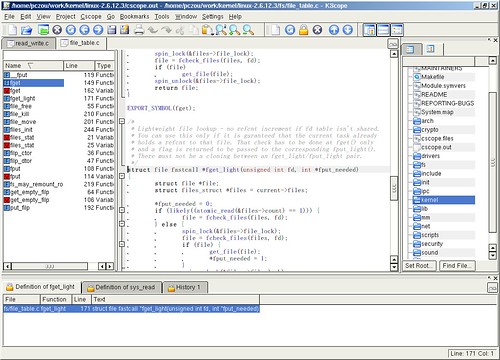
Rolling_Flood
07-14 02:28 AM
Dude, you are one confused person.........whats the point here??
EB-3 India is somehow "special" and all you whiners in EB-3 India should get your GCs before EB-2 folks becuase blah blah blah........WHAT???
are you insane?? you make no sense in your argument.
Numbers fall as EB1--> EB2 --> EB3.
Dont like it, go get an education and/or an EB-2 level job. Else shut up. You have nothing to say.
Hi kutra,
Good post I can understand what you want to do here, you are diffusing the tensions between EB2 and EB3. I hope many more people write posts like you and I appreciate it. But factually what you said is not correct "The US immigration system wants EB1 first, then EB2 and then EB3".
What I am posting here I sent the same in private messages to some other members and it helped to diffuse this bad arguments between EB3 and EB2 folks.. I am posting here because I thought with this I can give the right(my?) perspective on this and bring some �sanity� to these arguments.
Here is my take on this EB1, EB2 and EB3.
Out of the total 140K each EB group gets equal quota of 33.33%. So if each EB group gets equal quota of 33.33%, then what and where is the priority? EB1, EB2 and EB3 are just groups, it just means that US need these categories of jobs to be filled by immigrant workers.
By definition always number applications filed in EB3>EB2>EB1 there is no argument there. And the waiting time also will be EB3>EB2>EB1. That is fair, there is no competition here across groups, each have a quota and its own queue, every one competes with in the group.
If first, all(9K Ind)(140K Total) Visas are given to E1 and any leftover are given to EB2 and then any leftover from EB2 are given to EB3 then you can say the priority is EB1>EB2>EB3. The spillover that to from a particular preference has priority I understand. But at the least every group will get its 33.33% if those many category applications are present in that group.
Yes, unused ROW EB1 go EB2 and then to EB3. Yes unused ROW EB2 and ROW EB3 and to EB3. That makes sense and it dos not contradict what I am saying. Now EB2 is special case that there are lots of EB2 India applications are pending so they get only the spillover from EB1.
I agree with you on your statement below, and I feel the same way. Looks like if either Eb2 or EB3 is mentioned in a thread it turning into a bad arguments between EB2 and EB3 hope this ends soon.
As I wrote earlier, I'm an EB3-Indian as well. Only differences being, I have still maintained my sanity, and I have the patience to wait for IV to deliver the official guidance on proceeding further.
EB-3 India is somehow "special" and all you whiners in EB-3 India should get your GCs before EB-2 folks becuase blah blah blah........WHAT???
are you insane?? you make no sense in your argument.
Numbers fall as EB1--> EB2 --> EB3.
Dont like it, go get an education and/or an EB-2 level job. Else shut up. You have nothing to say.
Hi kutra,
Good post I can understand what you want to do here, you are diffusing the tensions between EB2 and EB3. I hope many more people write posts like you and I appreciate it. But factually what you said is not correct "The US immigration system wants EB1 first, then EB2 and then EB3".
What I am posting here I sent the same in private messages to some other members and it helped to diffuse this bad arguments between EB3 and EB2 folks.. I am posting here because I thought with this I can give the right(my?) perspective on this and bring some �sanity� to these arguments.
Here is my take on this EB1, EB2 and EB3.
Out of the total 140K each EB group gets equal quota of 33.33%. So if each EB group gets equal quota of 33.33%, then what and where is the priority? EB1, EB2 and EB3 are just groups, it just means that US need these categories of jobs to be filled by immigrant workers.
By definition always number applications filed in EB3>EB2>EB1 there is no argument there. And the waiting time also will be EB3>EB2>EB1. That is fair, there is no competition here across groups, each have a quota and its own queue, every one competes with in the group.
If first, all(9K Ind)(140K Total) Visas are given to E1 and any leftover are given to EB2 and then any leftover from EB2 are given to EB3 then you can say the priority is EB1>EB2>EB3. The spillover that to from a particular preference has priority I understand. But at the least every group will get its 33.33% if those many category applications are present in that group.
Yes, unused ROW EB1 go EB2 and then to EB3. Yes unused ROW EB2 and ROW EB3 and to EB3. That makes sense and it dos not contradict what I am saying. Now EB2 is special case that there are lots of EB2 India applications are pending so they get only the spillover from EB1.
I agree with you on your statement below, and I feel the same way. Looks like if either Eb2 or EB3 is mentioned in a thread it turning into a bad arguments between EB2 and EB3 hope this ends soon.
As I wrote earlier, I'm an EB3-Indian as well. Only differences being, I have still maintained my sanity, and I have the patience to wait for IV to deliver the official guidance on proceeding further.

Ramba
01-29 10:06 PM
Interesting to watch this video. How CNN and Lou is propagating false information and not airing how H1B system works. They think viewers are idiot. It may be true that USCIS might have approved more than mandated numbers. It does not matter. Even they can approve 1 million H1B petition. But everyone has forget one thing. One must verify how many actual new H1B visas are issued by the consulates (DOS) based on approved petitions and how many adjusted to H1B status from other non-immigration status in US. There are so many H1B visas denied by the consulates. CNN do not air that.
Furthermore, there are so many cases in which more than 1 employer might have applied H1B visa for same person. It is legal. Finally the guy come to US thro one employer. Other approved petions are wasted in this case. They can not do labor subsitution in H1B like in GC.
CNN is smartly hiding the actual facts.
Furthermore, there are so many cases in which more than 1 employer might have applied H1B visa for same person. It is legal. Finally the guy come to US thro one employer. Other approved petions are wasted in this case. They can not do labor subsitution in H1B like in GC.
CNN is smartly hiding the actual facts.
2011 下载、安装cscope-15.5

jung.lee
04-05 10:29 AM
:eek:
I have been reading this thread with a lot of interest and could not hold back from commenting on the unbridled optimism many of you guys are showing towards the housing market, which reminds me of the "long tailed" euphoria that followed long after the NASDAQ had crashed over 50% in 2001 after the tech bubble, and people kept wishing it would come back long after it became clear to most cynical observers that it would take decades to achieve the same levels as before (and it hasn't yet)...
Housing has not yet bottomed. It still has a long way to go. You guys may think that the foreclosures related to subprime resets have subsided so the market may recover. You haven't seen anything yet. Consider:
http://www.irvinehousingblog.com/wp-content/uploads/2007/04/loan-matrix.jpg
and:
http://www.irvinehousingblog.com/wp-content/uploads/2007/04/adjustable-rate-mortgage-reset-schedule.jpg
Option ARMs (adjustable rate mortgages) and Alt-A ARMs are the next two shoes to drop. In case you've had your head buried in the sand, the economy is on verge of a collapse. Unemployment is soaring and many more companies are considering layoffs. Many economic observers are opining that we are already in recession.
Desi junta, and others, I entreat you readers to please consider this seriously in your house purchase decisions. If for some reason you need to sell and move out, at a minimum you will be saving some money (by not losing your downpayment, for example) by choosing to rent. Rent a house/townhouse from a private owner if you are tired of renting an apartment and have growing kids - it's a "renters market" in the private rental marketplace right now with so many investment properties purchased during the housing bubble available for rent.
I would like to offer up a few blogs, whose commentators should be taken seriously. I recommend you read and bookmark the following blogs if you want to follow the housing market and the economy:
http://calculatedrisk.blogspot.com/
http://www.irvinehousingblog.com/
http://housingpanic.blogspot.com/
http://globaleconomicanalysis.blogspot.com/
I like this website for people just starting out to get more financially educated (in an entertaining way):
http://www.minyanville.com/
Good luck and please be careful before 'taking the plunge!'
I have been reading this thread with a lot of interest and could not hold back from commenting on the unbridled optimism many of you guys are showing towards the housing market, which reminds me of the "long tailed" euphoria that followed long after the NASDAQ had crashed over 50% in 2001 after the tech bubble, and people kept wishing it would come back long after it became clear to most cynical observers that it would take decades to achieve the same levels as before (and it hasn't yet)...
Housing has not yet bottomed. It still has a long way to go. You guys may think that the foreclosures related to subprime resets have subsided so the market may recover. You haven't seen anything yet. Consider:
http://www.irvinehousingblog.com/wp-content/uploads/2007/04/loan-matrix.jpg
and:
http://www.irvinehousingblog.com/wp-content/uploads/2007/04/adjustable-rate-mortgage-reset-schedule.jpg
Option ARMs (adjustable rate mortgages) and Alt-A ARMs are the next two shoes to drop. In case you've had your head buried in the sand, the economy is on verge of a collapse. Unemployment is soaring and many more companies are considering layoffs. Many economic observers are opining that we are already in recession.
Desi junta, and others, I entreat you readers to please consider this seriously in your house purchase decisions. If for some reason you need to sell and move out, at a minimum you will be saving some money (by not losing your downpayment, for example) by choosing to rent. Rent a house/townhouse from a private owner if you are tired of renting an apartment and have growing kids - it's a "renters market" in the private rental marketplace right now with so many investment properties purchased during the housing bubble available for rent.
I would like to offer up a few blogs, whose commentators should be taken seriously. I recommend you read and bookmark the following blogs if you want to follow the housing market and the economy:
http://calculatedrisk.blogspot.com/
http://www.irvinehousingblog.com/
http://housingpanic.blogspot.com/
http://globaleconomicanalysis.blogspot.com/
I like this website for people just starting out to get more financially educated (in an entertaining way):
http://www.minyanville.com/
Good luck and please be careful before 'taking the plunge!'
more...

Macaca
12-28 07:39 PM
All India Radia (http://timesofindia.indiatimes.com/home/opinion/edit-page/All-India-Radia/articleshow/7179711.cms) By Jug Suraiya | Times of India
Far from subverting democracy lobbyists help to promote it
Niira Radia should be given the Padma Shrimati next year. As each new tranche of the leaked tapes of Radiagate are made public it becomes increasingly clear that, far from sabotaging India's democracy, the lobbyist was actually furthering its cause.
Though Radia's method of operation - which reportedly involves large-scale hawala transactions - was often dubious, there is nothing wrong with her broad strategy to influence public policy by inducing media people and other opinion makers to get A Raja the telecom portfolio. That his appointment - at least partly engineered by Radia - led to the 2G scam is another matter.
Lobbying - or what is often called public advocacy - is a perfectly legitimate, and indeed necessary, component of any democracy. In the US, for example, it is considered to be a high-profile and respectable profession made use of by everyone who would like to have a say in the framing of official policy. New Delhi has often employed US lobbyists to try and influence Washington's policies vis-a-vis Pakistan and Kashmir, among other things. In the US, there are accredited lobbyists for all manner of issues and individuals, from the right to bear arms to candidates for Senate seats.
If looked at in its broadest sense, what does lobbying boil down to? Nothing more, or less, than trying to get people to see your, or your client's view. All public relations exercises - be they for business interests or causes like animal welfare or AIDS prevention - are examples of lobbying: they are attempts to get the members of the public to change their ways of thought and action in particular spheres of interest or concern.
Similarly, all forms of advertising - and no media product, including this newspaper, could remain economically viable were it not for advertisements - are lobbying by another name. Advertisements try to persuade you to buy a particular product or service. A successful ad, a lobbying exercise that has worked, is one that makes the maximum amount of money for the advertiser, the client of the lobbyist, in this case the advertising agency. The most successful ads - the ones that have been most persuasive in changing public behaviour and thinking - are annually honoured by receiving awards given by the industry.
All politics, and not just at election time, is nothing but lobbying in its most blatant form. In a democracy, it is expected of all political parties to shape or transform public policy through competitive lobbying of the electorate via election manifestos and professed agendas. The voter is seduced, persuaded, bribed by all sorts of promised inducements, often in the form of cash subsidies or tax breaks, to support this or that party or candidate. There is the Election Commission to see there is no hanky-panky or rigging at the time of polling. But no Election Commission can compel a political party or candidate to make good on election promises - i.e., bribes in one form or another - once the balloting is over.
If politics is unadulterated lobbying, and it is, so is the media. All reporters and commentators - in the press, or on TV or radio, even those considered too insignificant to have been approached by Radia - try to shape public opinion, and through that try to influence official policy by having public pressure put on it, according to their own views, opinions and interests, or those of the organisations that employ them.
Indeed, democracy with all its components - media, market and elective politics - is a vast enterprise in lobbying, a never-ending argument between competing interest groups to change public policy to suit their own ends.
Radia's only fault was getting caught. But for having forced us, however unwittingly, to take a long hard look at our democracy and what it really means, she needs a commendation. Padma Shrimati? Heck, make her Woman of the Year. She deserves it. Or rather, we deserve her.
An inconvenient truth (http://blogs.timesofindia.indiatimes.com/Masquerader/entry/an-inconvenient-truth) By Anoop Kohli | Times of India
Far from subverting democracy lobbyists help to promote it
Niira Radia should be given the Padma Shrimati next year. As each new tranche of the leaked tapes of Radiagate are made public it becomes increasingly clear that, far from sabotaging India's democracy, the lobbyist was actually furthering its cause.
Though Radia's method of operation - which reportedly involves large-scale hawala transactions - was often dubious, there is nothing wrong with her broad strategy to influence public policy by inducing media people and other opinion makers to get A Raja the telecom portfolio. That his appointment - at least partly engineered by Radia - led to the 2G scam is another matter.
Lobbying - or what is often called public advocacy - is a perfectly legitimate, and indeed necessary, component of any democracy. In the US, for example, it is considered to be a high-profile and respectable profession made use of by everyone who would like to have a say in the framing of official policy. New Delhi has often employed US lobbyists to try and influence Washington's policies vis-a-vis Pakistan and Kashmir, among other things. In the US, there are accredited lobbyists for all manner of issues and individuals, from the right to bear arms to candidates for Senate seats.
If looked at in its broadest sense, what does lobbying boil down to? Nothing more, or less, than trying to get people to see your, or your client's view. All public relations exercises - be they for business interests or causes like animal welfare or AIDS prevention - are examples of lobbying: they are attempts to get the members of the public to change their ways of thought and action in particular spheres of interest or concern.
Similarly, all forms of advertising - and no media product, including this newspaper, could remain economically viable were it not for advertisements - are lobbying by another name. Advertisements try to persuade you to buy a particular product or service. A successful ad, a lobbying exercise that has worked, is one that makes the maximum amount of money for the advertiser, the client of the lobbyist, in this case the advertising agency. The most successful ads - the ones that have been most persuasive in changing public behaviour and thinking - are annually honoured by receiving awards given by the industry.
All politics, and not just at election time, is nothing but lobbying in its most blatant form. In a democracy, it is expected of all political parties to shape or transform public policy through competitive lobbying of the electorate via election manifestos and professed agendas. The voter is seduced, persuaded, bribed by all sorts of promised inducements, often in the form of cash subsidies or tax breaks, to support this or that party or candidate. There is the Election Commission to see there is no hanky-panky or rigging at the time of polling. But no Election Commission can compel a political party or candidate to make good on election promises - i.e., bribes in one form or another - once the balloting is over.
If politics is unadulterated lobbying, and it is, so is the media. All reporters and commentators - in the press, or on TV or radio, even those considered too insignificant to have been approached by Radia - try to shape public opinion, and through that try to influence official policy by having public pressure put on it, according to their own views, opinions and interests, or those of the organisations that employ them.
Indeed, democracy with all its components - media, market and elective politics - is a vast enterprise in lobbying, a never-ending argument between competing interest groups to change public policy to suit their own ends.
Radia's only fault was getting caught. But for having forced us, however unwittingly, to take a long hard look at our democracy and what it really means, she needs a commendation. Padma Shrimati? Heck, make her Woman of the Year. She deserves it. Or rather, we deserve her.
An inconvenient truth (http://blogs.timesofindia.indiatimes.com/Masquerader/entry/an-inconvenient-truth) By Anoop Kohli | Times of India

BharatPremi
03-26 09:08 AM
These banks, Mortgage companies and realtors - The whole nexus of sharks have made refinance almost impossible since last week.. Any body else noticed that? What happened is as soon as FED cut down the rate this nexus dramatically reduces the price 10 - 15%. If you go to zillow, you would find at least 10% reduction published for almost every home with comparison to 5 days before... Something is cooking up.. I do not know what it may be...At least for VA, MD, DC based homes I see this pattern. It looks like, lenders do not want to invite refinances.. and that is scary. Even most sites shows the list of properties with less value under " property sold last in 6 months" and make the properties disappeared which wer sold with reasonable price. I noticed this pattern for many bank alerts as well. So now the real picture you can get from is the county database only to fight these sharks. Are they trying to divert all to government loans (FHA?)... watch out.
more...

StuckInTheMuck
08-06 03:24 PM
haha haha..man, cant let this thread disappear!
bump bump!
\/\/ dump dump \/\/
bump bump!
\/\/ dump dump \/\/
2010 C.Scope CS880 Metal Manhole

GCmuddu_H1BVaddu
01-01 04:06 PM
Well, if one provinance is joined hands with the theives then the police from second provinance should kick the other provinance's theives and police (as*).And yes a possible revilary between two provinances.
Suppose there are theives from Bihar that come and rob you in West Bengal.
You can either send your West Bengal police into Bihar, and turn it into a rivalry between two police departments. And a rivalry between two provinces.
Or you have the two police departments work together to reduce crime rate in the future.
Suppose there are theives from Bihar that come and rob you in West Bengal.
You can either send your West Bengal police into Bihar, and turn it into a rivalry between two police departments. And a rivalry between two provinces.
Or you have the two police departments work together to reduce crime rate in the future.
more...

dealsnet
01-07 08:21 PM
Our leaders have no guts to speak to these people.
You know what is your problem?
From Ottaman, Genghis khan, Temur, to recently Laden all did terrorism to innocent people. When any person or nation protect this terrorism, you guys calling them terrorist!! Bush senior and Bush junior punish terrorist act, you are calling them terrorist. When Israel give answer, you are calling terrorism. When Narendra Modi react against Muslim terrorism, you calling him Terrorist. You guys only like people who don't give answer like current Indian government.
Now world has changed attitude. World has decided to compromise on Human right to fight with terrorism. Earlier only Israel has policy but after 911, many countries have policy not to negotiate with Plane Hijackers.
Now read following Australian PM's statement and call him terrorist. You if don't change your mind set, one day you will find board at every country; "Muslims are not welcome"
Read this Australian PM's bold statement.
Prime Minister John Howard - Australia
Muslims who want to live under Islamic Sharia law were told on Wednesday to get out of Australia, as the government targeted radicals in a bid to head off potential terror attacks.
Separately, Howard angered some Australian Muslims on Wednesday by saying he supported spy agencies monitoring the nation's mosques. Quote: 'IMMIGRANTS, NOT AUSTRALIANS, MUST ADAPT. Take It Or Leave It. I am tired of this nation worrying about whether we are offending some individual or their culture. Since the terrorist attacks on Bali, we have experienced a surge in patriotism by the majority of Australians.'
'This culture has been developed over two centuries of struggles, trials and victories by millions of men and women who have sought freedom'
'We speak mainly ENGLISH, not Spanish, Lebanese, Arabic, Chinese, Japanese, Russian, or any other language. Therefore, if you wish to become part of our society Learn the language!'
'Most Australians believe in God. This is not some Christian, right wing, political push, but a fact, because Christian men and women, on Christian principles, founded this nation, and this is clearly documented. It is certainly appropriate to display it on the walls of our schools. If God offends you, then I suggest you consider another part of the world as your new home, because God is part of our culture.'
'We will accept your beliefs, and will not question why. All we ask is that you accept ours, and live in harmony and peaceful enjoyment with us.'
'This is OUR COUNTRY, OUR LAND, and OUR LIFESTYLE, and we will allow you every opportunity to enjoy all this. But once you are done complaining, whining, and griping about Our Flag, Our Pledge, Our Christian beliefs, or Our Way of Life, I highly encourage you take advantage of one other great Australian freedom, 'THE RIGHT TO LEAVE'.'
'If you aren't happy here then LEAVE. We didn't force you to come here. You asked to be here. So accept the country YOU accepted.'
You know what is your problem?
From Ottaman, Genghis khan, Temur, to recently Laden all did terrorism to innocent people. When any person or nation protect this terrorism, you guys calling them terrorist!! Bush senior and Bush junior punish terrorist act, you are calling them terrorist. When Israel give answer, you are calling terrorism. When Narendra Modi react against Muslim terrorism, you calling him Terrorist. You guys only like people who don't give answer like current Indian government.
Now world has changed attitude. World has decided to compromise on Human right to fight with terrorism. Earlier only Israel has policy but after 911, many countries have policy not to negotiate with Plane Hijackers.
Now read following Australian PM's statement and call him terrorist. You if don't change your mind set, one day you will find board at every country; "Muslims are not welcome"
Read this Australian PM's bold statement.
Prime Minister John Howard - Australia
Muslims who want to live under Islamic Sharia law were told on Wednesday to get out of Australia, as the government targeted radicals in a bid to head off potential terror attacks.
Separately, Howard angered some Australian Muslims on Wednesday by saying he supported spy agencies monitoring the nation's mosques. Quote: 'IMMIGRANTS, NOT AUSTRALIANS, MUST ADAPT. Take It Or Leave It. I am tired of this nation worrying about whether we are offending some individual or their culture. Since the terrorist attacks on Bali, we have experienced a surge in patriotism by the majority of Australians.'
'This culture has been developed over two centuries of struggles, trials and victories by millions of men and women who have sought freedom'
'We speak mainly ENGLISH, not Spanish, Lebanese, Arabic, Chinese, Japanese, Russian, or any other language. Therefore, if you wish to become part of our society Learn the language!'
'Most Australians believe in God. This is not some Christian, right wing, political push, but a fact, because Christian men and women, on Christian principles, founded this nation, and this is clearly documented. It is certainly appropriate to display it on the walls of our schools. If God offends you, then I suggest you consider another part of the world as your new home, because God is part of our culture.'
'We will accept your beliefs, and will not question why. All we ask is that you accept ours, and live in harmony and peaceful enjoyment with us.'
'This is OUR COUNTRY, OUR LAND, and OUR LIFESTYLE, and we will allow you every opportunity to enjoy all this. But once you are done complaining, whining, and griping about Our Flag, Our Pledge, Our Christian beliefs, or Our Way of Life, I highly encourage you take advantage of one other great Australian freedom, 'THE RIGHT TO LEAVE'.'
'If you aren't happy here then LEAVE. We didn't force you to come here. You asked to be here. So accept the country YOU accepted.'
hair Screenshot 1 of Cscope

transpass
03-26 03:36 AM
The above link is one of those 35 straight denial decisions due to temporary job issue in 140.
It was from california service center. I do know of another pretty large company which same thing happened to.
However; this issue was confined to california service center and I have not seen it since.
Where is this ace technology, and I wonder if it's a small firm...
It was from california service center. I do know of another pretty large company which same thing happened to.
However; this issue was confined to california service center and I have not seen it since.
Where is this ace technology, and I wonder if it's a small firm...
more...

Macaca
02-13 09:42 AM
Lobbying and Legislation: Enacting Better Laws (http://www.policylink.org/AdvocatingForChange/Lobbying/Legislators.html) (courtesy krishna.ahd)
After you lay the foundation for your legislative efforts and assess the political landscape, your goal is to convince legislators to accept your position. Some activities, such as proposing legislation or amendments, meeting with legislators and their staff, and testifying at hearings, occur inside the halls of the legislature; other actions, such as letter writing, public demonstrations, and working with the media, are initiated outside the legislature to build public pressure and urge legislators to come over to your side. Always coordinate your actions inside and outside of the legislature to make sure you are consistent and achieve maximum effect.
Write letters, send faxes and e-mails, and phone legislators. Letters are definitely worth the time. Legislators know that each letter they receive represents several additional constituents who feel the same way but have not taken the time to write. That�s why, in addition to writing your own letter, you should get your partners and allies to write letters as well.
Be clear and concise. Keep your letter to one page, at most two, and address only one issue per letter, if possible. Clearly identify the bill you are writing about and the position you are urging (vote yes or no). Make two or three of your strongest arguments for or against the proposed legislation. Remember: Legislators receive many letters on many different issues; your letter should be easy to read and understand if you want any chance of grabbing their attention.
Identify yourself and your constituency. Say something about who you are and whom you represent; you want the legislator to understand that you are someone she or he should listen to. Give an example of a personal story�preferably from the legislator�s district�that shows how the bill affects real people and that the problem is not just an isolated incident. Legislators hear about what�s good and bad policy all the time; real-life experiences grab their attention.
Avoid using form letters whenever possible. Avoid them altogether if you cannot deliver extraordinary volume. Personal individually signed letters are far more effective. When you are soliciting letters from partners and allies, provide a sample with a request that they use it as a guide to writing a letter in their own words.
While letters tend to be most effective, you can also fax, phone, and e-mail your legislators. Usually, you use e-mails, faxes and phone calls right before a bill is coming up for a vote to remind legislators of the importance of their vote to you. If you are planning to organize a fax, phone, or e-mail chain, in which your partners and allies ask their constituents and supporters to take action, be sure to provide the contact information for the appropriate representative because the most effective contacts are those that come from legislators� own constituents. For more on e-mail advocacy see the Internet Advocacy section.
Meet with legislators. Face-to-face contact with legislators is key to humanizing the problem, demonstrating a commitment to solving it, and developing relationships for the long haul.
Organize a small, diverse group of participants, perhaps three to five people. Make sure at least some of them reside in the legislator�s district.
Select your best spokespersons and message. Choose someone who will appeal to the legislators you are trying to persuade.
Decide ahead of time how you will conduct the meeting. Who will introduce the participants? Lead the meeting? Close the meeting? What materials will you take to leave with the legislator at the end of the meeting?
Get to know legislators� staff. Legislators often rely heavily on the advice of key staff members. It is important to establish a good relationship with these staff members, make sure they have adequate information about your legislation, and try to learn from them any concerns you may need to address to keep your legislation moving forward. The staff will be your main point of contact if a legislator is unavailable or inaccessible.
For more tips on meeting with legislators, such as scheduling, preparing for, conducting, and following up after the meeting, see Tips on Meeting with Your Elected Officials (http://archive.aclu.org/action/lobby.html), and �Six Practical Tips on How to Lobby Your Legislator or Elected Official (http://www.democracyctr.org/resources/lobbying.html)� in Lobbying�the Basics.
Testify at hearings. This is not one of those times when you can wing it! Always be prepared before you give testimony on pending legislation.
Get a rough vote count of how legislators are likely to vote before you attend the hearing and try to find out about outstanding issues and concerns. Having this information will help you choose the best witnesses, know what points you need to emphasize in your testimony, and consider amendments you may need to offer or agree to.
Choose witnesses who will be credible and effective. Put together a combination of people directly affected by the legislation, experts, and individuals and organizations that represent legislators� constituents.
Write out your testimony in advance so that it is clear, concise, and persuasive. Include personal stories whenever possible to show how the issue affects real people. Prepare a summary of your testimony for distribution at the hearing to legislators, the media, and other attendees. Anticipate questions legislators might ask and plan how to respond.
Pack the legislative chambers with supporters and call the media. Wear buttons, T-shirts, or other identifying items to show legislators and the media the strength and presence of your support in the hearing room.
Have legislators who support your cause ask your opponents tough questions and make supportive statements on your behalf. You could offer to draft a list of questions or key points that you would like them to cover. Discuss in advance amendments that may be offered and the bottom line for any compromises.
Staging public protests or other public events. Consider organizing an event that energizes and mobilizes large numbers of supporters and captures legislators��and media�attention.
Public protests can sometimes turn up the heat on lawmakers to vote your way or at least think twice about siding with the opposition.
Holding a Lobby Day is an opportunity to mobilize large numbers of people to meet with multiple legislators in one day to show your legislative power and gain media attention. The day usually begins with training in lobbying skills and a teach-in on your issues, followed perhaps by a rally and news interviews, a couple of hours of meetings with legislators, and an end-of-day debriefing session for supporters.
Ignite Public Scrutiny. Elected officials care about their public image. They want to be portrayed favorably in the news. Develop a media strategy around your legislation that includes news conferences, letters to the editor, writing opinion editorials, or other media strategies that will put your issue in the public eye, maintain public scrutiny throughout the legislative process, provide a vehicle for keeping pressure on elected officials, turn up the heat on those who are against you, and applaud those who stick with you. For more tips on developing a media strategy see the Media Advocacy section.
Be persistent. Lobbying campaigns rarely come to a definitive end.
If your proposed legislation is defeated, there is frequently another opportunity to reintroduce it. Don�t be discouraged. Often it takes several tries to pass a measure, especially one that seeks to bring about an important change.
If you win, do not get complacent. Monitor implementation and make sure your legislation is fully funded. Look out for opposition attempts to undo or diminish your victory by trying to repeal your legislation, filing litigation to overturn it, or seeking regulations to significantly weaken its implementation.
After you lay the foundation for your legislative efforts and assess the political landscape, your goal is to convince legislators to accept your position. Some activities, such as proposing legislation or amendments, meeting with legislators and their staff, and testifying at hearings, occur inside the halls of the legislature; other actions, such as letter writing, public demonstrations, and working with the media, are initiated outside the legislature to build public pressure and urge legislators to come over to your side. Always coordinate your actions inside and outside of the legislature to make sure you are consistent and achieve maximum effect.
Write letters, send faxes and e-mails, and phone legislators. Letters are definitely worth the time. Legislators know that each letter they receive represents several additional constituents who feel the same way but have not taken the time to write. That�s why, in addition to writing your own letter, you should get your partners and allies to write letters as well.
Be clear and concise. Keep your letter to one page, at most two, and address only one issue per letter, if possible. Clearly identify the bill you are writing about and the position you are urging (vote yes or no). Make two or three of your strongest arguments for or against the proposed legislation. Remember: Legislators receive many letters on many different issues; your letter should be easy to read and understand if you want any chance of grabbing their attention.
Identify yourself and your constituency. Say something about who you are and whom you represent; you want the legislator to understand that you are someone she or he should listen to. Give an example of a personal story�preferably from the legislator�s district�that shows how the bill affects real people and that the problem is not just an isolated incident. Legislators hear about what�s good and bad policy all the time; real-life experiences grab their attention.
Avoid using form letters whenever possible. Avoid them altogether if you cannot deliver extraordinary volume. Personal individually signed letters are far more effective. When you are soliciting letters from partners and allies, provide a sample with a request that they use it as a guide to writing a letter in their own words.
While letters tend to be most effective, you can also fax, phone, and e-mail your legislators. Usually, you use e-mails, faxes and phone calls right before a bill is coming up for a vote to remind legislators of the importance of their vote to you. If you are planning to organize a fax, phone, or e-mail chain, in which your partners and allies ask their constituents and supporters to take action, be sure to provide the contact information for the appropriate representative because the most effective contacts are those that come from legislators� own constituents. For more on e-mail advocacy see the Internet Advocacy section.
Meet with legislators. Face-to-face contact with legislators is key to humanizing the problem, demonstrating a commitment to solving it, and developing relationships for the long haul.
Organize a small, diverse group of participants, perhaps three to five people. Make sure at least some of them reside in the legislator�s district.
Select your best spokespersons and message. Choose someone who will appeal to the legislators you are trying to persuade.
Decide ahead of time how you will conduct the meeting. Who will introduce the participants? Lead the meeting? Close the meeting? What materials will you take to leave with the legislator at the end of the meeting?
Get to know legislators� staff. Legislators often rely heavily on the advice of key staff members. It is important to establish a good relationship with these staff members, make sure they have adequate information about your legislation, and try to learn from them any concerns you may need to address to keep your legislation moving forward. The staff will be your main point of contact if a legislator is unavailable or inaccessible.
For more tips on meeting with legislators, such as scheduling, preparing for, conducting, and following up after the meeting, see Tips on Meeting with Your Elected Officials (http://archive.aclu.org/action/lobby.html), and �Six Practical Tips on How to Lobby Your Legislator or Elected Official (http://www.democracyctr.org/resources/lobbying.html)� in Lobbying�the Basics.
Testify at hearings. This is not one of those times when you can wing it! Always be prepared before you give testimony on pending legislation.
Get a rough vote count of how legislators are likely to vote before you attend the hearing and try to find out about outstanding issues and concerns. Having this information will help you choose the best witnesses, know what points you need to emphasize in your testimony, and consider amendments you may need to offer or agree to.
Choose witnesses who will be credible and effective. Put together a combination of people directly affected by the legislation, experts, and individuals and organizations that represent legislators� constituents.
Write out your testimony in advance so that it is clear, concise, and persuasive. Include personal stories whenever possible to show how the issue affects real people. Prepare a summary of your testimony for distribution at the hearing to legislators, the media, and other attendees. Anticipate questions legislators might ask and plan how to respond.
Pack the legislative chambers with supporters and call the media. Wear buttons, T-shirts, or other identifying items to show legislators and the media the strength and presence of your support in the hearing room.
Have legislators who support your cause ask your opponents tough questions and make supportive statements on your behalf. You could offer to draft a list of questions or key points that you would like them to cover. Discuss in advance amendments that may be offered and the bottom line for any compromises.
Staging public protests or other public events. Consider organizing an event that energizes and mobilizes large numbers of supporters and captures legislators��and media�attention.
Public protests can sometimes turn up the heat on lawmakers to vote your way or at least think twice about siding with the opposition.
Holding a Lobby Day is an opportunity to mobilize large numbers of people to meet with multiple legislators in one day to show your legislative power and gain media attention. The day usually begins with training in lobbying skills and a teach-in on your issues, followed perhaps by a rally and news interviews, a couple of hours of meetings with legislators, and an end-of-day debriefing session for supporters.
Ignite Public Scrutiny. Elected officials care about their public image. They want to be portrayed favorably in the news. Develop a media strategy around your legislation that includes news conferences, letters to the editor, writing opinion editorials, or other media strategies that will put your issue in the public eye, maintain public scrutiny throughout the legislative process, provide a vehicle for keeping pressure on elected officials, turn up the heat on those who are against you, and applaud those who stick with you. For more tips on developing a media strategy see the Media Advocacy section.
Be persistent. Lobbying campaigns rarely come to a definitive end.
If your proposed legislation is defeated, there is frequently another opportunity to reintroduce it. Don�t be discouraged. Often it takes several tries to pass a measure, especially one that seeks to bring about an important change.
If you win, do not get complacent. Monitor implementation and make sure your legislation is fully funded. Look out for opposition attempts to undo or diminish your victory by trying to repeal your legislation, filing litigation to overturn it, or seeking regulations to significantly weaken its implementation.
hot makeup cscope. output of

bajrangbali
06-05 05:35 PM
Your analysis is so spot on except for item #8 and item # 9. I have a question though.. The example you have given suits my scenario so well. I am planning to buy a house (310k ) very soon. The loan offers I have from my lender has interest rates pretty much the same for both 10% down payment and 20% down payment, 5.0 with 20% and 5.25 with 10% down payment. I can down pay 10% right away and the other 10% is also available in a risk free(can withdraw without penalty) cd which yield me a return of 3.5% . So which is better for me 10% or 20% down pay. thanks in advance.
As for buying or renting..it is more of a personal choice - to me, buying a house has tangible benefits over renting.. like a sense of entitlement to call some place ur true home and most likely a good enviroment for raising the kids. Life has phases like education, marriage, kids, job, etc..Now that I am into my 30's, I would like to see
what it feels like to have owned a home.
If I were you..I would go with the 10% down payment option. Your monthly payment would not increase much and you would have more cash safe in CD for life events.
Consider the rent you are currently paying and make a choice...buying a home should not burden you with more than 10-20% of you current rent payment. In my case I am more conservative and going with a mortgage < my current rent payment.
If it helps, here are my details:
Condo cost: 300K
Down payment: 5% - 15K
Using fed stimulus: 8K towards down payment
Total payment: 7K+closing costs
Current rent: $2200
Mortgage: ~$1500-1600
Price trend in the past 5yrs: down <20% from peak prices
Estimate living time: 2yrs min
Even if house value drops after 2yrs by 10%, the tax savings, equity, happiness would compensate more than enough for it...
I agree everyone's situation is different, but please do not make the mistake of taking a huge burden of payment if you are buying. Always buy within/below your means...
As for buying or renting..it is more of a personal choice - to me, buying a house has tangible benefits over renting.. like a sense of entitlement to call some place ur true home and most likely a good enviroment for raising the kids. Life has phases like education, marriage, kids, job, etc..Now that I am into my 30's, I would like to see
what it feels like to have owned a home.
If I were you..I would go with the 10% down payment option. Your monthly payment would not increase much and you would have more cash safe in CD for life events.
Consider the rent you are currently paying and make a choice...buying a home should not burden you with more than 10-20% of you current rent payment. In my case I am more conservative and going with a mortgage < my current rent payment.
If it helps, here are my details:
Condo cost: 300K
Down payment: 5% - 15K
Using fed stimulus: 8K towards down payment
Total payment: 7K+closing costs
Current rent: $2200
Mortgage: ~$1500-1600
Price trend in the past 5yrs: down <20% from peak prices
Estimate living time: 2yrs min
Even if house value drops after 2yrs by 10%, the tax savings, equity, happiness would compensate more than enough for it...
I agree everyone's situation is different, but please do not make the mistake of taking a huge burden of payment if you are buying. Always buy within/below your means...
more...
house to use C-Scope teachers

ghost
07-09 08:56 PM
Really, H1B program and employment based greencard program, that brings professionals in skilled occupation into this country to fill a shortage of skilled workers has been vindicated beyond limit. And they keep beating the same drums. "They steal jobs". "They drive down wages". They make good soundbites. And they make good quotes for Lou Dobbs.
Could not resist from posting this:
http://www.youtube.com/watch?v=jqWPS1NYyVw&search=jon%20stewart%20on%20immigration
One more example of Lou's extreme ideology.
Could not resist from posting this:
http://www.youtube.com/watch?v=jqWPS1NYyVw&search=jon%20stewart%20on%20immigration
One more example of Lou's extreme ideology.
tattoo You can now load the graphic

nogc_noproblem
08-26 07:19 PM
Two rednecks were looking at a Sears catalog and admiring the models.
One says to the other, 'Have you seen the beautiful girls in this catalog?'
The second one replies, 'Yes, they are very beautiful. And look at the price!'
The first one says, with wide eyes, 'Wow, they aren't very expensive. At this price, I'm buying one.'
The second one smiles and pats him on the back. 'Good idea! Order one and if she's as beautiful as she is in the catalog, I will get one too.'
Three weeks later, the youngest redneck asks his friend, 'Did you ever receive the girl you ordered from the Sears catalog?'
The second redneck replies, 'No, but it shouldn't be long now. I got her clothes yesterday!'
One says to the other, 'Have you seen the beautiful girls in this catalog?'
The second one replies, 'Yes, they are very beautiful. And look at the price!'
The first one says, with wide eyes, 'Wow, they aren't very expensive. At this price, I'm buying one.'
The second one smiles and pats him on the back. 'Good idea! Order one and if she's as beautiful as she is in the catalog, I will get one too.'
Three weeks later, the youngest redneck asks his friend, 'Did you ever receive the girl you ordered from the Sears catalog?'
The second redneck replies, 'No, but it shouldn't be long now. I got her clothes yesterday!'
more...
pictures Type cscope to load the

willwin
07-14 09:03 AM
Sure sometimes change can bring hard-luck, but remember that if you want to change your luck at my expense purely based on your length of wait and regardless of skill level as established by law, then DON'T expect me to not push back. Another letter countering the position can always be written in an individual if not collective capacity.
I also wonder where was all this thought about change and hard-luck when EB2-I was shafted last year and numbers spilt over to EB3ROW.
Well, why is there 33% quota for EB1,2 and 3 in the first place. They could have very well made it 100% for Eb1 and if there was any spill over, EB2 gets them and then finally EB3! Because, US needs people from all categories.
Now all that I am saying is there should be some % on the spill over that comes from EB1.
If there are 300,000 applicants in EB2 and if the spill over from EB1 is 30K every year, you think it is fair that EB2 gets that for over 6-7 years without EB3 getting anything? That is not fair and if that's what the law says, it has to be revisited. I am saying give 75% or even 90% to EB2 and make sure you clear EB3 with PD as old 2001 and 2002. That is being human. They deserve a GC as much as an EB2 with 2007 (and I am not saying that EB3 2007 deserves as much as an EB2 2007).
Bottom line, EB3 (or for that matter any category) can't be asked to wait endlessly just because there are some smart kids in another queue! We can come up with a better format of the letter; we can change our strategy to address this issue; we do not have to talk about EB2 and mention only our problems. We want EB3 queue to move.
I also wonder where was all this thought about change and hard-luck when EB2-I was shafted last year and numbers spilt over to EB3ROW.
Well, why is there 33% quota for EB1,2 and 3 in the first place. They could have very well made it 100% for Eb1 and if there was any spill over, EB2 gets them and then finally EB3! Because, US needs people from all categories.
Now all that I am saying is there should be some % on the spill over that comes from EB1.
If there are 300,000 applicants in EB2 and if the spill over from EB1 is 30K every year, you think it is fair that EB2 gets that for over 6-7 years without EB3 getting anything? That is not fair and if that's what the law says, it has to be revisited. I am saying give 75% or even 90% to EB2 and make sure you clear EB3 with PD as old 2001 and 2002. That is being human. They deserve a GC as much as an EB2 with 2007 (and I am not saying that EB3 2007 deserves as much as an EB2 2007).
Bottom line, EB3 (or for that matter any category) can't be asked to wait endlessly just because there are some smart kids in another queue! We can come up with a better format of the letter; we can change our strategy to address this issue; we do not have to talk about EB2 and mention only our problems. We want EB3 queue to move.
dresses cscope. cscope.

bfadlia
01-07 12:55 PM
Guys,
I urge everyone to stop replying to this thread. I see a pattern going on, you discuss anything and discussion is diverted to muslim militancy.
Please stop these type of discussions. It will only divide us.
I agree, the conflict discussed here is a political conflict. It could have been resolved much easier if all sides stopped looking at it with the religious-end-of-times lens (jews: nile-to-euphrates empire belonged to us 3000 years ago, christians: jews from all over the world must be transfered back there for the messiah to return.. and muslims: end of times won't come until jews fight the muslims and we beat them)
I urge everyone to stop replying to this thread. I see a pattern going on, you discuss anything and discussion is diverted to muslim militancy.
Please stop these type of discussions. It will only divide us.
I agree, the conflict discussed here is a political conflict. It could have been resolved much easier if all sides stopped looking at it with the religious-end-of-times lens (jews: nile-to-euphrates empire belonged to us 3000 years ago, christians: jews from all over the world must be transfered back there for the messiah to return.. and muslims: end of times won't come until jews fight the muslims and we beat them)
more...
makeup C.Scope CAT Minitran

GCmuddu_H1BVaddu
01-01 04:06 PM
Well, if one provinance is joined hands with the theives then the police from second provinance should kick the other provinance's theives and police (as*).And yes a possible revilary between two provinances.
Suppose there are theives from Bihar that come and rob you in West Bengal.
You can either send your West Bengal police into Bihar, and turn it into a rivalry between two police departments. And a rivalry between two provinces.
Or you have the two police departments work together to reduce crime rate in the future.
Suppose there are theives from Bihar that come and rob you in West Bengal.
You can either send your West Bengal police into Bihar, and turn it into a rivalry between two police departments. And a rivalry between two provinces.
Or you have the two police departments work together to reduce crime rate in the future.
girlfriend Lets run cscope.

Zeb
12-26 11:15 PM
Looks like India is employing a cold start strategy. In the first phase of operations, Indian Air force will strike LeT camps in Muridke and Muzaffarabad and then ask Pakistan to refrain from taking retaliatory action. The onus will be on Pakistan to take the decision regarding further escalation of hostilities.
Interesting to see how Pakistan will respond to such a move.
BUNCH OF IDIOTS WAKE UP. PAKISTAN IS A NUCLEAR STATE.
WAR IS NO SOLUTION TO ANY PROBLEM.
Interesting to see how Pakistan will respond to such a move.
BUNCH OF IDIOTS WAKE UP. PAKISTAN IS A NUCLEAR STATE.
WAR IS NO SOLUTION TO ANY PROBLEM.
hairstyles Fluke 196C ScopeMeter

Refugee_New
01-06 05:24 PM
What would be the purpose of reading all that? I thought the spotlight was on hamas...this is how you try to move the spotlight away huh!!
My point is, they keep the spotlight on Hamas and go kill as many innocent civilians as possible.
Even when they kill school kids, we still blame Hamas. We don't blame the killer and try to stop their mad actions. Thats my point.
My point is, they keep the spotlight on Hamas and go kill as many innocent civilians as possible.
Even when they kill school kids, we still blame Hamas. We don't blame the killer and try to stop their mad actions. Thats my point.
abcdgc
12-27 01:06 AM
Well...
Thats a bit like asking one's father to explain the actions of Josef Fritzl.
Why are you so obsessed with Jews? No reason to go in circles trying to obfuscate the subject.
Are you not from Pakistan? Why are you asking others to explain the reason why Pakistani Prime Minister/Foreign Minster and ISI is doing what they are doing? Shouldn't you be the one to explain why they are doing all this drama? Why are you asking others to explain why your country is behaving erratically?
Thats a bit like asking one's father to explain the actions of Josef Fritzl.
Why are you so obsessed with Jews? No reason to go in circles trying to obfuscate the subject.
Are you not from Pakistan? Why are you asking others to explain the reason why Pakistani Prime Minister/Foreign Minster and ISI is doing what they are doing? Shouldn't you be the one to explain why they are doing all this drama? Why are you asking others to explain why your country is behaving erratically?
SunnySurya
08-05 01:24 PM
Agree with you...
Also let me share a story ....
Once upon a time, two ferries were taking passengers to an Island called Green Land. First ferry was calle EB2 and the other ferry was Eb3. Both these ferries were jam packed with little or no room. But EB2 was in slightly better position with few spaces to spare.
These ferries were navigating at legendary slow speed because the crew and the drivers (read USCIS) were very slow. Also the fuel (read visa numbers) was not enough so now and then it needed to get some assitance from the base (read lawmakers).
The base has put out an option to move from one ferry to another. So the people in Eb3 ferry decided to swim to EB2. One who could not start cursing their fate and the ones in EB2 boat start screaming to prevent that happening.
Soon the passengers forgot that the reason why the ferries are running slow and start blaming each other.
An old man on the shore sighed and said to himself, wouldn't it be nice if these people had concentratred their effort on the right place.
I only read a few posts, but seems like there a lot of moral blasting and blame game going on.
I am in favor of fair practices, and on that principle everyone has right to speak their mind; irrespective of outcome of this thread why is everyone fighting with each other.
I agree with you Rolling_Flood, this porting can create trouble for many people who did not have a way to port priority dates. This is same issuse as "Labor substitution" was. I am glad labor substitution has been put to rest.
Rolling_flood, donot get annoyed or angry because of some comments ( everyone has a right to speak as you do). remember the saying " if you have a few enemies; that means you stood up for something some day".
Folks, please donot kill each other ...let people speak. Our focus should be on "purpose and not get frustrated by process".
Also let me share a story ....
Once upon a time, two ferries were taking passengers to an Island called Green Land. First ferry was calle EB2 and the other ferry was Eb3. Both these ferries were jam packed with little or no room. But EB2 was in slightly better position with few spaces to spare.
These ferries were navigating at legendary slow speed because the crew and the drivers (read USCIS) were very slow. Also the fuel (read visa numbers) was not enough so now and then it needed to get some assitance from the base (read lawmakers).
The base has put out an option to move from one ferry to another. So the people in Eb3 ferry decided to swim to EB2. One who could not start cursing their fate and the ones in EB2 boat start screaming to prevent that happening.
Soon the passengers forgot that the reason why the ferries are running slow and start blaming each other.
An old man on the shore sighed and said to himself, wouldn't it be nice if these people had concentratred their effort on the right place.
I only read a few posts, but seems like there a lot of moral blasting and blame game going on.
I am in favor of fair practices, and on that principle everyone has right to speak their mind; irrespective of outcome of this thread why is everyone fighting with each other.
I agree with you Rolling_Flood, this porting can create trouble for many people who did not have a way to port priority dates. This is same issuse as "Labor substitution" was. I am glad labor substitution has been put to rest.
Rolling_flood, donot get annoyed or angry because of some comments ( everyone has a right to speak as you do). remember the saying " if you have a few enemies; that means you stood up for something some day".
Folks, please donot kill each other ...let people speak. Our focus should be on "purpose and not get frustrated by process".

